Loki Casino Licence Explained: Curaçao CGA, Dama N.V. and UK Player Protections
 Available in GB
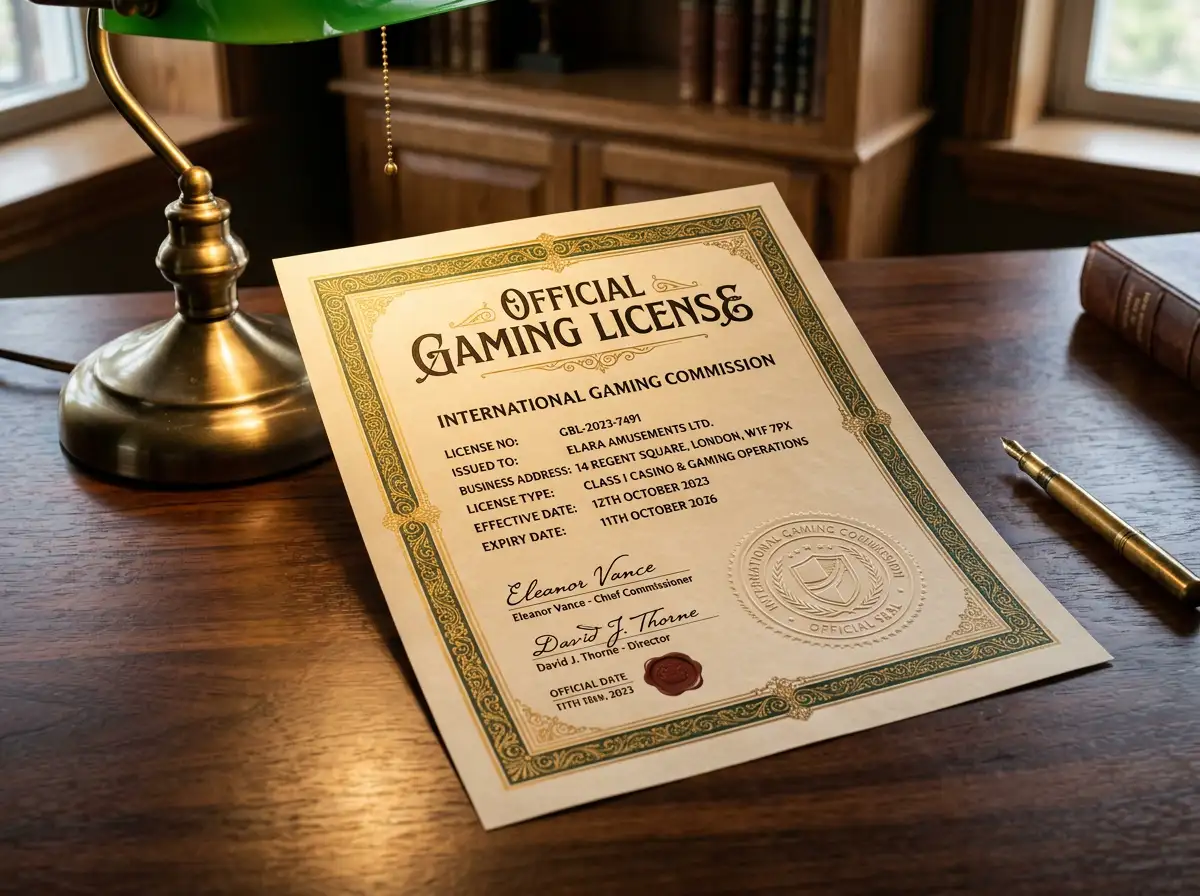
Licensing is the question I get asked about more than any other when UK players discover an offshore casino they are considering. Not the bonus, not the games, not the withdrawal speed — the licence. And the reason is straightforward: UK players are accustomed to the protections that come with UKGC-licensed operators, and stepping outside that framework feels like stepping off a cliff without knowing how far the drop is. Loki Casino operates under a Curaçao licence, issued by the Curaçao Gaming Authority (CGA) to Dama N.V. — and understanding what that means, in concrete terms, is the most important due diligence any UK player can do before depositing.
In this article I am going to map out Dama N.V.’s role as the operating entity, explain the new Curaçao LOK framework and how it changes the regulatory landscape, detail what the licence does and does not protect, examine the UKGC’s enforcement posture toward offshore casinos, assess the legitimacy signals that exist independently of licensing, and look at how the SoftSwiss platform contributes to compliance. For a direct comparison between Curaçao and UKGC licensing frameworks, I have written a separate Curaçao vs UKGC analysis. This article focuses specifically on Loki Casino’s regulatory position.
Table of Contents
- Dama N.V. as Loki Casino’s Operator: Key Facts
- Curaçao LOK Framework: From Sub-Licences to Direct CGA Oversight
- What the Curaçao Licence Does and Does Not Protect
- UKGC Enforcement Against Offshore Casinos
- Legitimacy Signals: RNG Audits, SSL and Complaint Resolution
- SoftSwiss Platform: Infrastructure and Compliance Role
Dama N.V. as Loki Casino’s Operator: Key Facts
Dama N.V. is a Curaçao-registered company that operates a network of online casinos, of which Loki Casino is one brand. The company runs multiple casino brands on the same SoftSwiss platform infrastructure, sharing payment processing, game integrations, and compliance frameworks across its portfolio. This network structure is common in the Curaçao-licensed segment: a single operating entity holds one licence and launches multiple front-end brands, each with its own branding, bonus structure, and marketing but sharing the same backend systems.
For players, the practical implication is that your experience at Loki Casino — in terms of payment processing, KYC procedures, dispute resolution, and terms enforcement — is governed by Dama N.V.’s policies, not by the individual brand. If you have an account at another Dama N.V. casino, the rules, limits, and verification requirements will be substantially similar. The brand distinction is primarily cosmetic; the operational substance sits at the operator level. I cover the full scope of Dama N.V.’s casino network and what it means for players in a dedicated piece.
Curaçao LOK Framework: From Sub-Licences to Direct CGA Oversight
I was at an industry event in 2024 when the first rumours about the Curaçao licensing overhaul started circulating. The consensus among the compliance professionals I spoke with was cautious optimism mixed with deep scepticism — optimism that the island was finally taking regulation seriously, scepticism that it would follow through. Two years later, the Landsverordening op de Kansspelen (LOK) framework is live, and the results are more substantive than the sceptics predicted.
The old system was straightforward to abuse. Curaçao issued a handful of master licences to entities that then sold sub-licences to operators. The master licence holders had limited incentive to police their sub-licensees, and the Curaçao Gaming Control Board — the predecessor to the current CGA — had limited resources to audit hundreds of operators across multiple master licences. The result was a jurisdiction with a reputation for being the path of least resistance: if you could not get licensed in Malta, Gibraltar, or the Isle of Man, Curaçao would take you.
The LOK framework abolished sub-licences. Every operator now applies directly to the Curaçao Gaming Authority for a standalone licence. The CGA processed approximately 140 direct licence applications by April 2026, with 87 approved — a rejection rate of around 38%. That rejection rate is the single most significant data point in assessing the new framework’s credibility. A 38% rejection rate means the CGA is saying no to more than a third of applicants, which is materially different from the old system where virtually anyone willing to pay could obtain a sub-licence.
Annual licence fees under the LOK framework are approximately 47,000 euros for B2C operators and 24,000 euros for B2B providers. These fees are modest compared to UKGC licensing costs, but they represent a significant increase from the sub-licence era and include mandatory compliance obligations: AML procedures, player protection measures, technical standards for game fairness, and regular reporting. Ivan Montik, founder of SoftSwiss, has framed the regulatory shift accurately — the crucial question is not whether regulation expands, but what kind it becomes, and the industry has outgrown its unregulated phase while needing to avoid replacing chaos with bureaucracy.
For Loki Casino specifically, the transition to direct CGA licensing means that Dama N.V. holds its licence directly from the regulator, not through an intermediary master licence holder. The CGA has direct oversight authority, including the ability to audit, sanction, suspend, or revoke the licence. Whether the CGA exercises that authority as aggressively as tier-one regulators like the UKGC remains an open question — the new framework is still in its early years, and enforcement patterns have not yet been established. But the structural foundation for meaningful regulatory oversight now exists in a way it did not before the LOK reform.
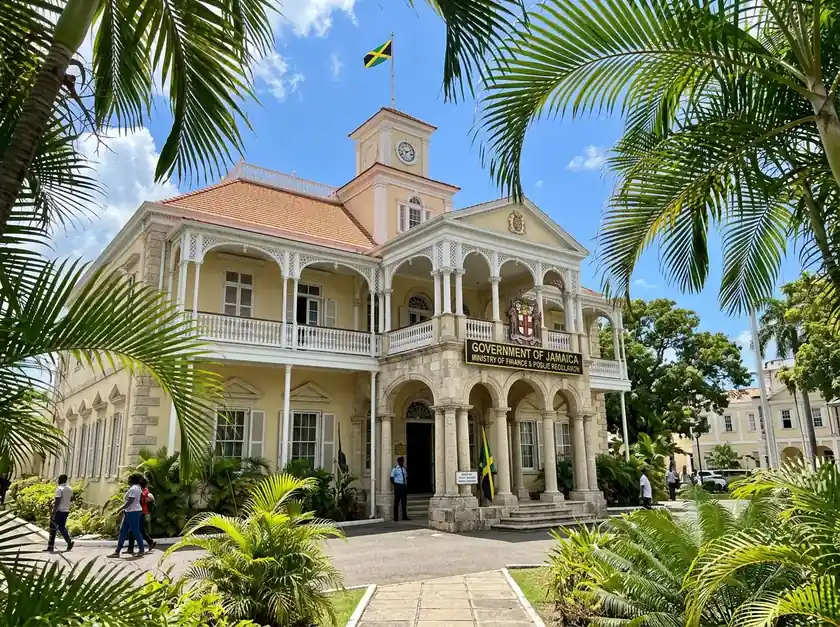
The transition also brought practical changes that players encounter directly. The old sub-licence system used a verification seal — the Orange Digital Seal — that operators displayed on their websites. That seal has been abolished under the LOK framework. In its place, the CGA maintains a public registry of licensed operators where players can verify whether a specific casino holds a valid licence. The registry is searchable and updated regularly, providing a more reliable verification method than a static image on an operator’s website, which could easily be fabricated or outdated. If you want to confirm Loki Casino’s licensing status, the CGA registry is the authoritative source — not any badge displayed on the casino’s own pages.
What the Curaçao Licence Does and Does Not Protect
Here is where I need to be precise, because the gap between what a Curaçao licence promises and what a UKGC licence delivers is real, and overstating or understating it does a disservice to anyone making a decision about where to deposit.
The Curaçao licence does provide: a regulatory framework that the operator must comply with, AML and KYC obligations, basic game fairness requirements, a published complaints process, and the theoretical ability for players to escalate disputes to the CGA. These are not nothing. They represent a baseline of accountability that is absent at completely unlicensed operators. Illegal and unregulated gambling generates 53.9 billion dollars in annual revenue in the US alone — up 22% since 2022 — and the distinction between a licensed offshore operator and a genuinely unlicensed one is meaningful even if the licence is not tier-one.
The Curaçao licence does not provide: ringfencing of player funds, mandatory independent dispute resolution (equivalent to the UK’s ADR scheme), enforceable cooling-off periods, self-exclusion integration with national registers like GamStop, deposit limits mandated by the regulator, or the ability for players to escalate complaints to a UK-based ombudsman. These are the protections that UK players benefit from at UKGC-licensed operators, and none of them exist in the Curaçao framework.
The absence of fund segregation is the most consequential gap. At a UKGC-licensed casino, player funds are held separately from operational funds, which means that if the operator becomes insolvent, player balances are protected. At a Curaçao-licensed casino, player funds and operational funds are commingled. If Dama N.V. were to face insolvency — and I am not suggesting it will — player balances would be unsecured creditor claims, meaning you might receive pennies on the pound or nothing at all. This is the single biggest structural risk of playing at an offshore casino, and no amount of good game selection or fast withdrawals eliminates it.
The complaints process under the Curaçao framework exists but is less robust than UKGC equivalents. Players can file complaints with the CGA, but response times, resolution rates, and enforcement of rulings are not publicly reported with the same transparency as UKGC data. In practice, the most effective complaint resolution channels for Curaçao-licensed casinos are third-party mediation services — industry watchdog sites that have established relationships with operators and can escalate issues on behalf of players. The CGA itself is a backstop, not a first line of defence.
UKGC Enforcement Against Offshore Casinos
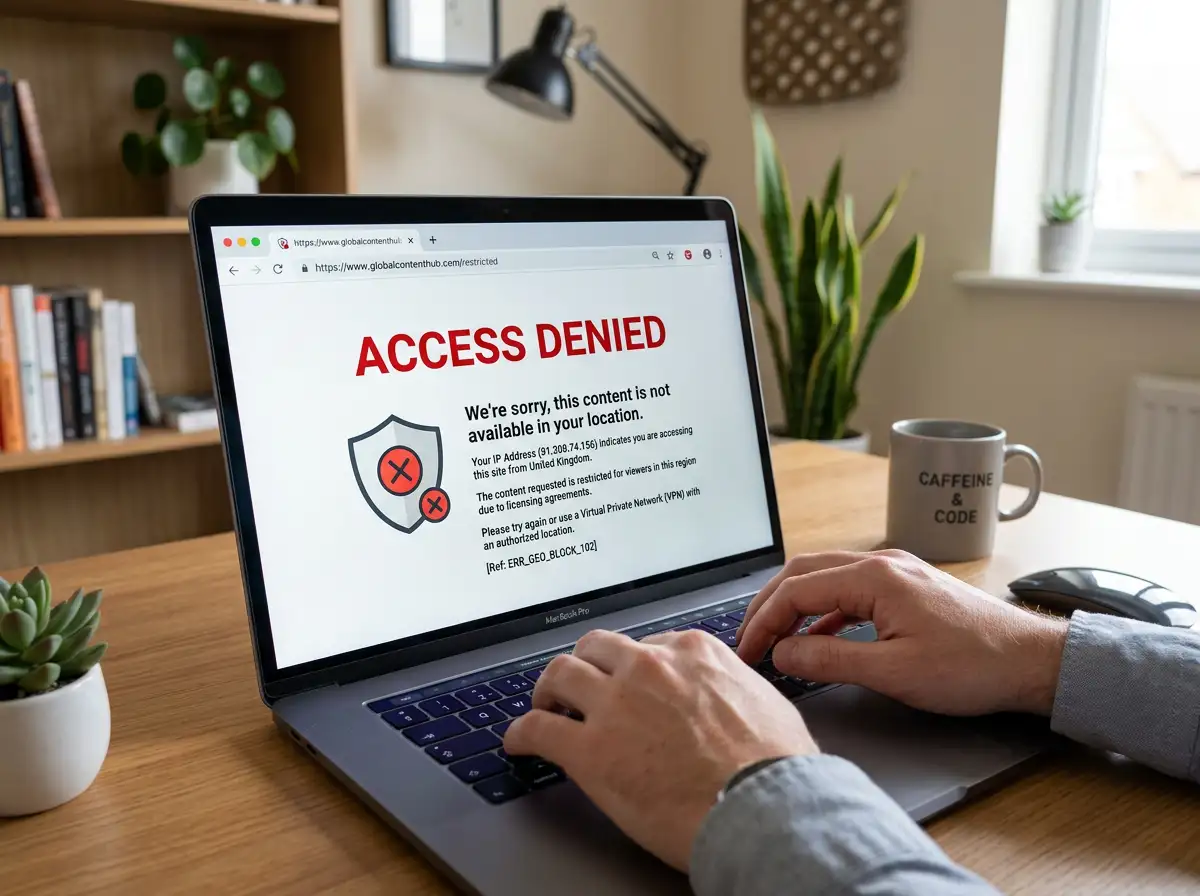
The UK Gambling Commission does not licence Loki Casino and cannot directly regulate it. But that does not mean the UKGC is passive toward offshore operators serving UK players. The enforcement data paints a picture of increasing aggression: 480 cease-and-desist notices, 504 sites disrupted or geo-blocked, and over 104,000 URLs removed in FY2024/25. These numbers represent the UKGC’s effort to make offshore casinos harder for UK players to access, even though the Commission cannot enforce its licensing requirements on foreign-registered operators.
The mechanisms include working with UK internet service providers to block domains, requesting search engines to de-index operator websites, and coordinating with payment processors to decline transactions to known offshore gambling sites. The UK online slots maximum stake limit of 5 pounds for adults and 2 pounds for 18-to-24-year-olds, which went live in April and May 2025, was part of a broader regulatory tightening that also increased pressure on unlicensed operators. The logic from the UKGC’s perspective is that stricter rules for licensed operators only work if unlicensed alternatives are simultaneously made less accessible.
For UK players using Loki Casino, this enforcement posture has practical consequences. Domain changes, mirror URLs, and periodic access disruptions are common at offshore casinos operating in the UKGC’s crosshairs. If you bookmark a URL today, it may not work next month. Payment methods that work for deposits today may be blocked by your bank or card issuer next week. These are not hypothetical scenarios — they are the routine experience of UK players at Curaçao-licensed casinos in 2026. The casino adapts by creating new access points; the regulator adapts by blocking them. The cycle continues.
None of this makes accessing Loki Casino impossible for UK players, but it does mean that the experience lacks the frictionless stability of UKGC-licensed platforms. If consistent, uninterrupted access matters to you, an offshore casino will always carry this uncertainty. If you are comfortable navigating mirror domains and maintaining multiple payment methods, the access disruptions are manageable annoyances rather than fundamental barriers. The UKGC’s enforcement is designed to create friction, not to build an impenetrable wall — and that distinction shapes the practical experience of UK players at offshore casinos in 2026. Each disruption is inconvenient; none is permanent. But the cumulative effect is an environment where reliability of access is never guaranteed.
Legitimacy Signals: RNG Audits, SSL and Complaint Resolution
A licence is one piece of the legitimacy picture, but it is not the whole picture. I have reviewed Curaçao-licensed casinos that run clean operations and UKGC-licensed casinos that have been fined millions for compliance failures. The licence tells you the regulatory floor; the operator’s behaviour tells you where they actually stand. At Loki Casino, several signals exist outside the licensing framework that contribute to — or detract from — an assessment of legitimacy.
RNG (Random Number Generator) auditing is the primary mechanism for verifying game fairness at online casinos. The game providers integrated into Loki Casino’s catalogue — Pragmatic Play, Evolution Gaming, NetEnt, Play’n GO and others — have their games independently tested by laboratories like iTech Labs, BMM Testlabs, and eCOGRA. These audits confirm that game outcomes are random and that published RTP percentages are accurate. The critical point is that the audit sits at the provider level, not the operator level. Loki Casino itself does not undergo an independent game fairness audit; the providers do. As long as the operator has not modified the game software — which the SoftSwiss integration architecture makes technically difficult — the provider-level audit extends to all casinos hosting that provider’s games.
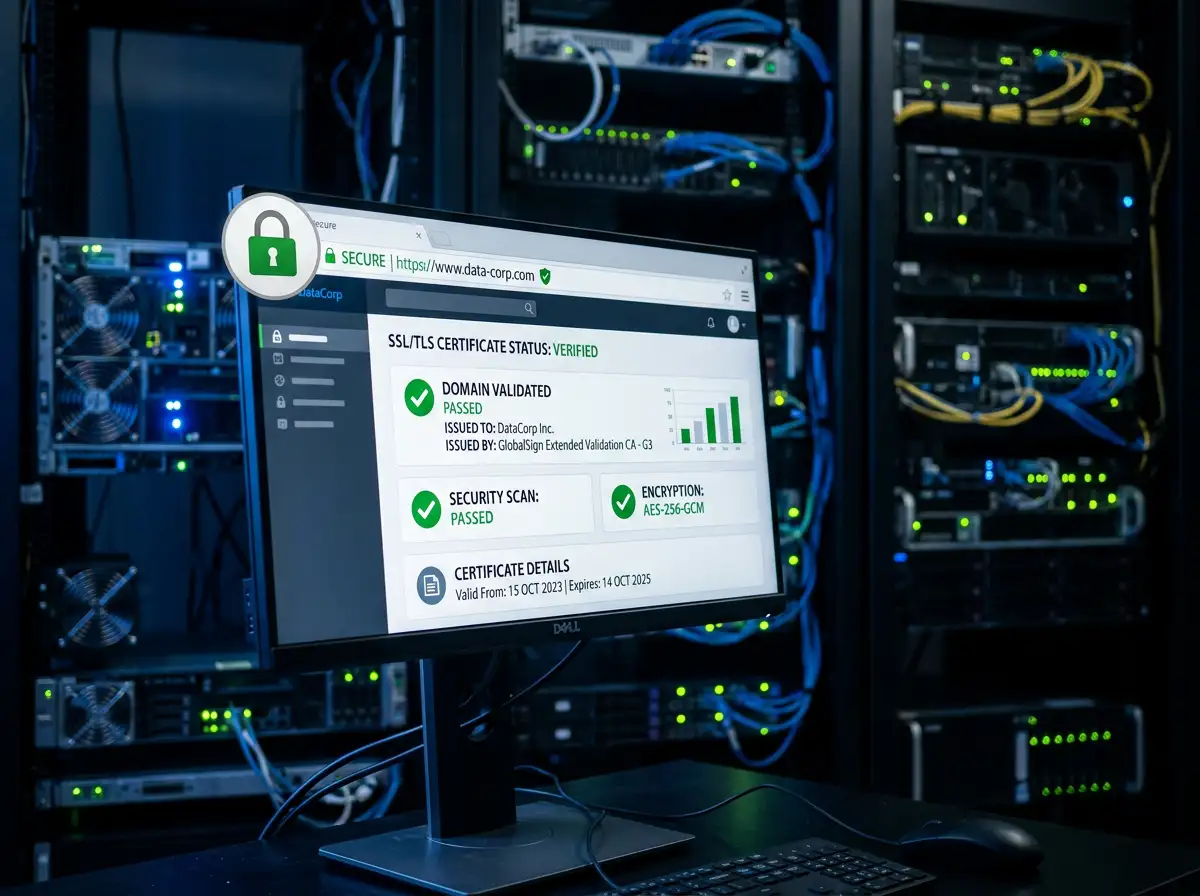
SSL encryption is a baseline technical requirement and Loki Casino uses 256-bit SSL across its domain. This protects data in transit between your browser and the casino’s servers. Phishing incidents in iGaming increased 180% since 2023, and 35% of smaller operators report inadequate cyber resilience. SSL is necessary but not sufficient — it protects the connection but does not protect against social engineering, credential theft, or operator-side data breaches. It is worth verifying that the SSL certificate is valid and correctly configured, but its presence alone is not a meaningful differentiator.
Complaint resolution track record is, in my view, the most informative legitimacy signal. Third-party mediation services publish case histories with outcomes, and the pattern of resolutions at a given operator reveals more about its practices than any certification badge. At Loki Casino and across the Dama N.V. network, the complaint record shows a mix: straightforward disputes resolved reasonably, complex cases involving bonus terms where the operator applied the rules as written, and a small number of unresolved cases where communication broke down. The absence of a pattern of bad-faith non-payment is a positive signal; the presence of bonus-terms disputes is the norm across the industry, not specific to this operator.
One additional legitimacy signal worth noting is operational longevity. Loki Casino has been operating for several years without a licence revocation, major regulatory action, or widespread non-payment scandal. In the offshore casino space, longevity is itself a filter — the truly predatory operators tend to cycle through brands quickly, shutting down one casino when complaints accumulate and launching another under a new name. An operator that maintains the same brand over multiple years, processes withdrawals consistently, and accumulates a mixed but not catastrophic complaint record is demonstrating a baseline of operational sustainability. It is not the same as UKGC-level accountability, but it is a signal that the business model depends on ongoing player relationships rather than short-term extraction.
SoftSwiss Platform: Infrastructure and Compliance Role
The SoftSwiss platform is the technology layer that sits between Dama N.V.’s casino brands and the game providers, payment processors, and compliance systems that power them. Understanding its role is important because many of the operational characteristics of Loki Casino — from game integration speed to payment processing reliability to AML monitoring — are determined at the platform level, not the brand level.
SoftSwiss provides the casino management system, the player account infrastructure, the payment gateway, the bonus engine, and the game aggregation middleware. It also provides compliance tools, including KYC verification modules and transaction monitoring systems. 56% of SoftSwiss survey respondents rank AI adoption among their top three strategic priorities, and the platform has been integrating machine learning into its fraud detection and responsible gambling monitoring tools. These tools operate across all casinos on the platform, meaning that improvements to the SoftSwiss compliance stack benefit Loki Casino and every other brand running on the same infrastructure.
The compliance role of SoftSwiss is distinct from the regulatory role of the CGA. The CGA sets the rules; SoftSwiss provides the tools to follow them. If the CGA mandates enhanced AML monitoring, SoftSwiss implements the technical solution across its platform. If the CGA requires specific player protection measures, SoftSwiss builds them into the account management system. This separation means that Loki Casino’s compliance posture is partly a function of the operator’s policies (set by Dama N.V.) and partly a function of the platform’s capabilities (provided by SoftSwiss).
For players, the SoftSwiss platform is largely invisible — you interact with the Loki Casino brand, not with the underlying technology. But if you have ever wondered why different Dama N.V. casinos feel so similar in terms of account processes, payment flows, and bonus mechanics, the answer is SoftSwiss. The platform standardises the operational experience across brands, which is both a strength (consistency, reliability, proven infrastructure) and a limitation (less room for individual brands to differentiate on operational features). The games, the bonuses, and the branding change from one Dama N.V. casino to the next; the plumbing underneath does not.

Is Loki Casino licensed by the UK Gambling Commission?
No. Loki Casino is not licensed by the UK Gambling Commission. It operates under a Curaçao licence issued by the Curaçao Gaming Authority (CGA) to Dama N.V. This means it is not subject to UKGC regulations, including player fund segregation, GamStop self-exclusion, or mandatory alternative dispute resolution. UK players can access the site, but they do so without the protections that UKGC licensing provides.
What changed for Dama N.V. casinos under the Curaçao LOK reform?
The LOK framework abolished the old sub-licence system, requiring every operator to apply directly to the CGA for a standalone licence. Dama N.V. now holds its licence directly from the regulator rather than through an intermediary master licence holder. The CGA has direct oversight authority, including the ability to audit and sanction operators. Annual licence fees increased to approximately 47,000 euros for B2C operators, and mandatory compliance obligations now include AML procedures and player protection measures.
Can UK players file complaints against a Curaçao-licensed casino?
UK players can file complaints with the Curaçao Gaming Authority, but the process is less structured and transparent than the UKGC’s alternative dispute resolution scheme. Response times and resolution rates are not publicly reported with the same detail. Third-party mediation services — industry watchdog sites that maintain relationships with operators — are often more effective for resolving disputes with Curaçao-licensed casinos than direct regulatory complaints.
What does the SoftSwiss platform contribute to Loki Casino’s compliance?
SoftSwiss provides the underlying technology that powers Loki Casino, including the casino management system, payment gateway, game aggregation, KYC verification modules, and AML transaction monitoring tools. Compliance improvements made at the platform level benefit all casinos running on SoftSwiss infrastructure. The platform also integrates AI-driven fraud detection and responsible gambling monitoring, though the specific policies applied are determined by the operator, Dama N.V.
Prepared by the Prestige Casino editorial staff.