
Prestige Casino Terms and Conditions – Key Clauses Analysed
 Available in GB

Nobody reads the terms and conditions. I have heard this said so many times it has become a cliche, and like most cliches, it is dangerously accurate. In nine years of analysing casino platforms, the terms document is where I find the real story – the clauses that determine whether your winnings will actually reach your bank account, or whether the operator has written itself an exit from every obligation.
Prestige Casino’s T&C document is lengthy, which is not unusual. What matters is not the length but the substance of specific clauses that directly affect your balance, your account status, and your ability to withdraw. This analysis focuses on the sections that carry the highest financial impact for players.
Key Clauses Every Player Should Read
The post-White Paper regulatory direction across 2025–2026 – stake limits, Financial Risk Assessments, the statutory levy, and the Remote Gaming Duty hike – has tightened how UKGC-licensed operators draft and apply their terms. Offshore platforms remain unbound by those rules, which is the central distinction the T&C document encodes: regulatory pressure meets business reality, and players sit in the middle.
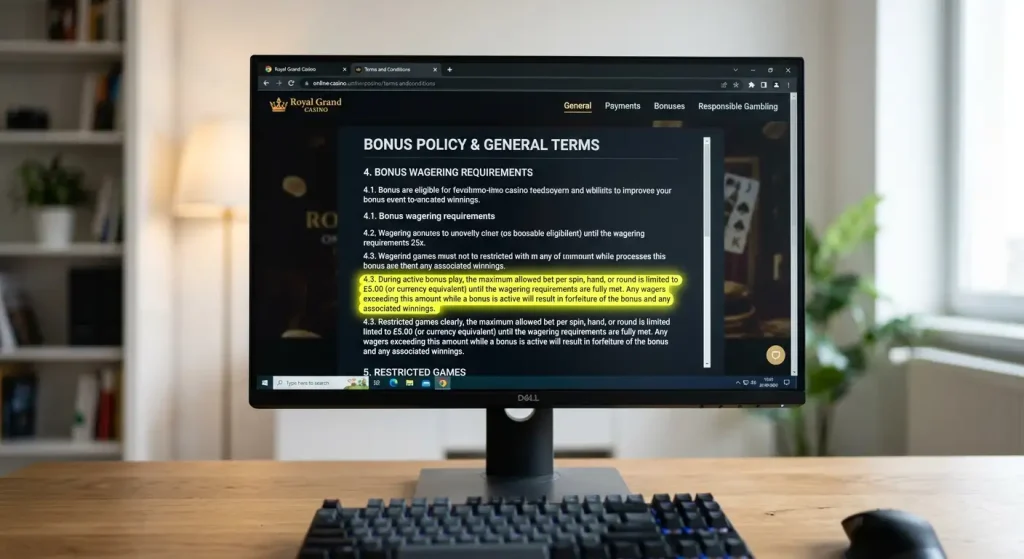
The first clause to locate in any casino’s terms is the one governing bonus forfeiture. At Prestige Casino, like most operators, there are conditions under which a bonus – and any winnings derived from it – can be voided. Common triggers include exceeding maximum bet limits while a bonus is active, using prohibited payment methods for withdrawal, or failing to meet wagering requirements within the specified timeframe. The language here is critical: a clause that says “the operator may void” is discretionary, while one that says “will be voided” is automatic. The difference determines whether you have room to negotiate.
Remote Gaming Duty increased to 40% in 2026, and mixed-product bonuses were banned entirely. These regulatory changes ripple through operator terms because they alter the economics of bonus offers. When the tax burden on operators increases, the terms attached to bonuses tend to tighten – higher wagering requirements, lower maximum cashout limits, or shorter validity periods. Reading the terms tells you whether those adjustments have been made.

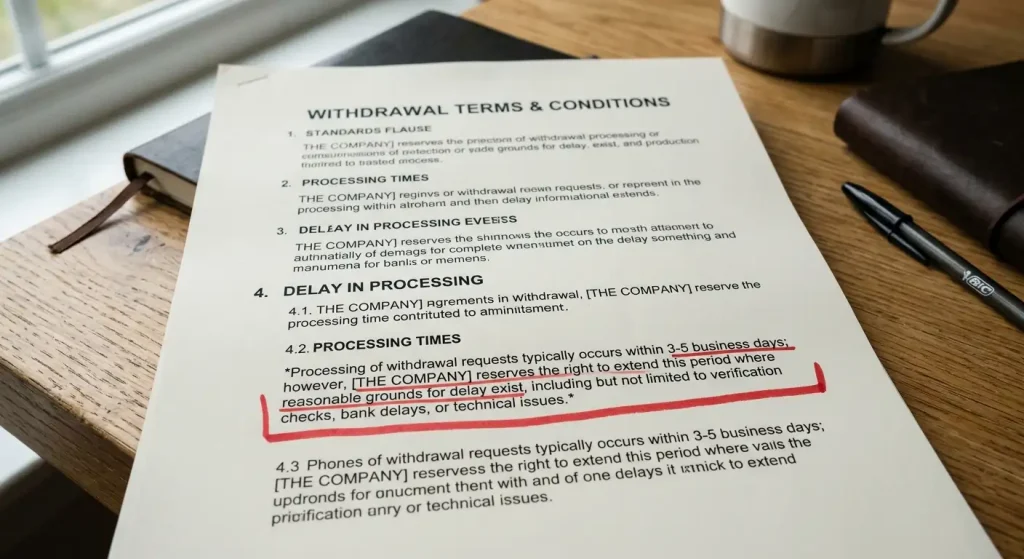
The withdrawal clause deserves particular attention. Look for language around “reasonable grounds” for delaying or refusing a withdrawal. This phrase appears in nearly every offshore casino’s terms, and it gives the operator broad discretion to hold funds while conducting reviews. The question is how broadly the clause is written. A tightly drafted clause specifies the grounds – KYC verification, suspected fraud, breach of terms. A loosely drafted one leaves “reasonable grounds” undefined, which gives the operator maximum flexibility and the player minimum certainty.
Maximum bet limits during bonus play are another critical area. Most operators set a cap – often between two and five pounds per spin – while a bonus is active. Exceeding this limit, even accidentally, can trigger forfeiture of the entire bonus and associated winnings. The trap is that this limit is rarely displayed in the game interface itself. You need to know it exists before you play, not after you have unknowingly breached it.
Potential Red Flags in the Fine Print
When I first started auditing casino terms, a senior colleague told me to look for clauses that grant the operator unilateral power without corresponding obligations. That advice has held up remarkably well. A red flag is not necessarily proof of bad intent – it is a sign that the terms are drafted to protect the operator at the player’s expense in edge cases.
The industry standard for fair wagering sits between 20x and 30x the bonus amount, with anything above 35x considered high by benchmarking services. Prestige Casino’s wagering requirements should be evaluated against this range. If the requirement sits above 35x, the effective value of the bonus drops significantly – and the terms should be read with heightened scrutiny for additional restrictions that compound the difficulty.
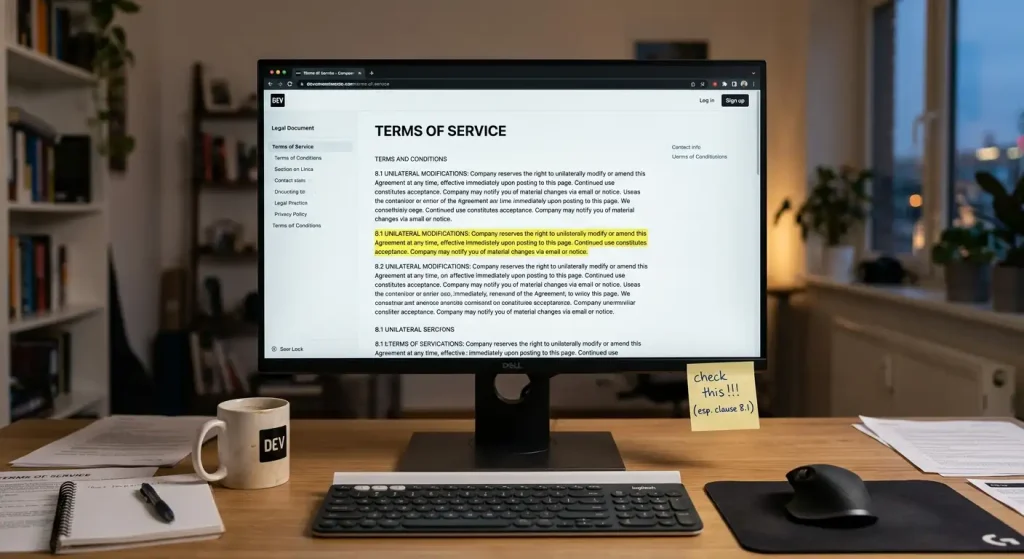
Watch for clauses that allow the operator to modify terms retroactively or at will. A standard clause might read “we reserve the right to amend these terms at any time.” On its own, this is common. But if the clause does not include a requirement to notify players of changes, or a grace period for existing balances, it creates an asymmetric risk: the operator can change the rules mid-game, and you may not know until those changes affect your account.
Currency conversion clauses are another area where hidden costs accumulate. If Prestige Casino operates primarily in a currency other than GBP, the terms should specify the exchange rate methodology and whether conversion fees apply. A 2-3% conversion markup applied to every deposit and withdrawal adds up quickly over sustained play.
Account Closure and Dormancy Rules
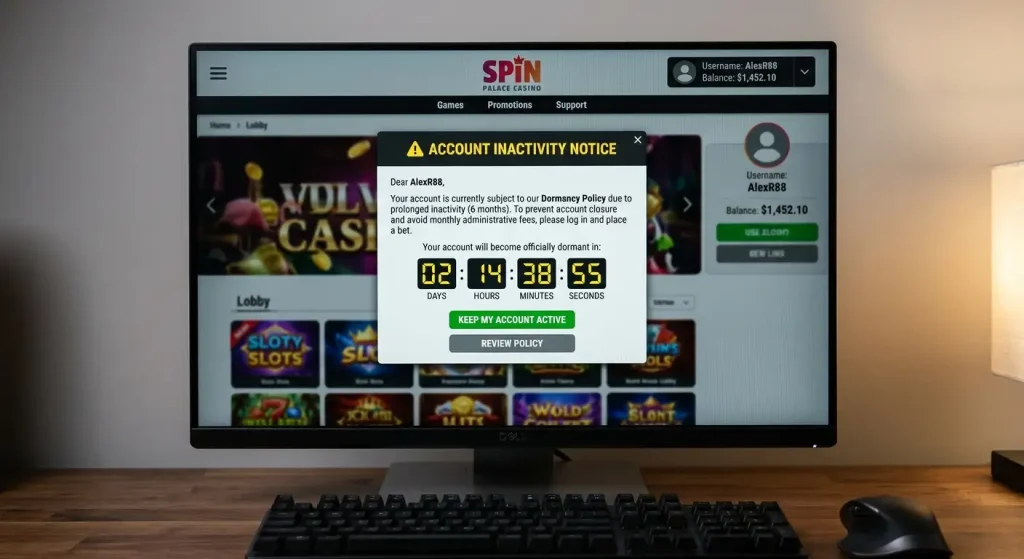
Does your account have an expiry date you do not know about? Most casino terms include a dormancy clause that defines what happens if you do not log in for a specified period – typically 6 to 12 months. The consequences range from account suspension to balance forfeiture, and the terms often allow the operator to deduct a monthly maintenance fee from dormant balances before eventually closing the account.
At Prestige Casino, the dormancy policy should be clearly stated in the terms. If it is not, that itself is a concern – because the absence of a clear policy does not mean the absence of action. Operators routinely close dormant accounts and forfeit remaining balances under general clauses about inactive accounts. The obligation to keep your account active, and the consequences of not doing so, need to be understood before you deposit.
Account closure at the player’s request is a separate matter. You should be able to close your account and withdraw any remaining balance at any time, subject to standard KYC and anti-money laundering checks. If the terms place additional conditions on voluntary closure – such as requiring you to contact support during specific hours or completing wagering on active bonuses before closure is permitted – those conditions are worth noting. For deeper analysis of how the legitimacy and safety indicators at Prestige Casino inform the overall picture, the broader evaluation framework adds useful context to these clause-level observations.
Can Prestige Casino close your account without notice?
Most offshore casino terms include a clause allowing account closure at the operator"s discretion. Common triggers include suspected fraud, breach of terms, or regulatory requirements. Whether prior notice is required depends on the specific wording of the terms. Review the account closure and suspension section of the T&C for the exact conditions that apply.
What happens to your balance if your Prestige Casino account goes dormant?
Dormancy policies typically involve a period of inactivity – usually 6 to 12 months – after which the operator may deduct fees, suspend the account, or forfeit the remaining balance. The specific policy at Prestige Casino is detailed in the terms and conditions. If you plan to take an extended break from the platform, withdraw your balance beforehand.
Articles
Created by the "Prestige Casino" editorial team.