
Prestige Casino Affordability Checks – What UK Players Need to Know
 Available in GB
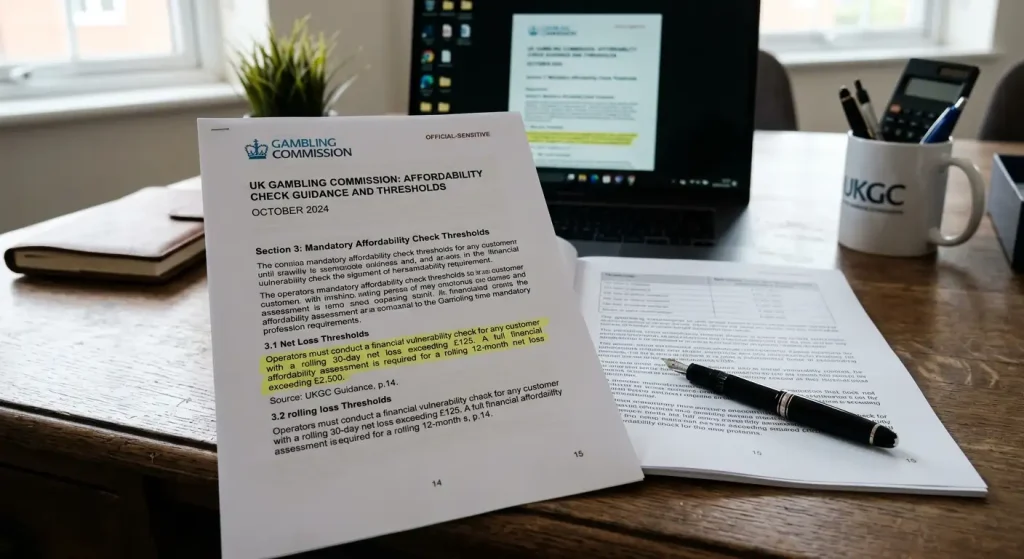
Affordability checks became the most divisive topic in UK gambling almost overnight. When the Gambling Commission confirmed the framework under the White Paper reforms, my inbox split cleanly in two: half the messages came from players furious about perceived government overreach, the other half from people relieved that someone was finally putting guardrails around spending. Nine years covering this industry taught me that both reactions miss the point. Affordability checks are neither a nanny-state invasion nor a silver bullet for harm prevention – they are a specific regulatory mechanism with specific triggers, and understanding how they work matters far more than having an opinion about them.
This article explains the mechanics, how they apply – or do not apply – at offshore platforms like Prestige Casino, and what the practical consequences are for your gambling experience.
How Affordability Checks Work Under UK Law
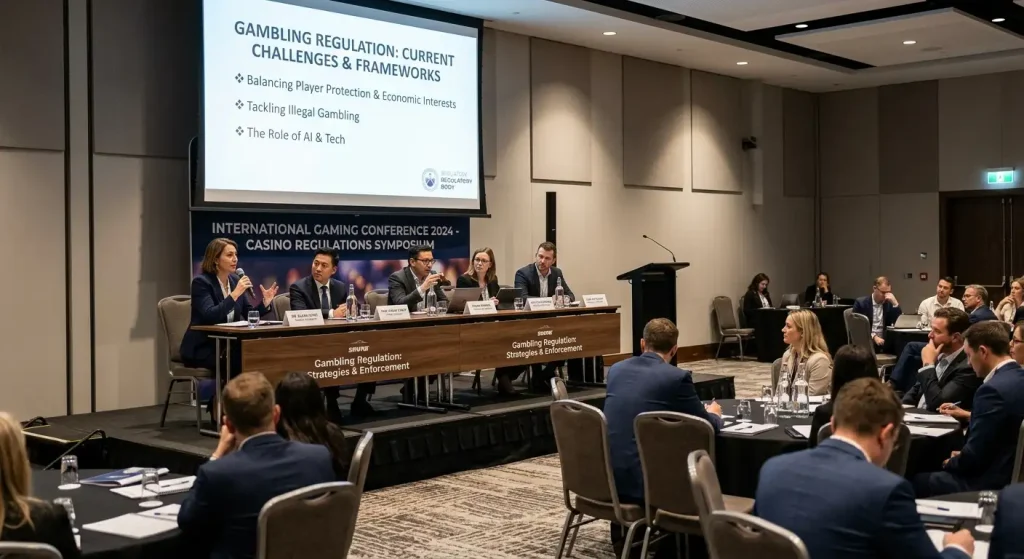
I sat through four hours of regulatory panel discussions at a London conference last spring, and the single most useful thing I heard was a compliance officer admitting that even operators struggle to explain their own affordability processes clearly. If the industry itself finds this confusing, players deserve a plain-language breakdown.
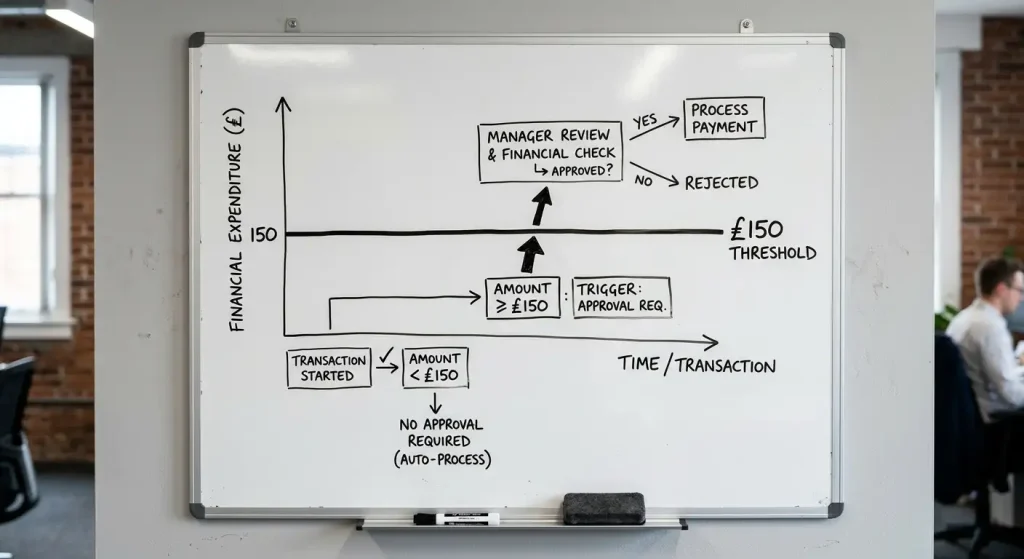
Under the White Paper reforms implemented across 2025 and 2026, UKGC-licensed operators must conduct financial risk assessments when a player’s net deposits reach £150 within a rolling 30-day period. “Net deposits” means deposits minus withdrawals – so if you deposit £200 and withdraw £80 in the same month, your net figure is £120, below the trigger. The assessment itself is not a full credit check. The UKGC has been explicit that fewer than 3% of active accounts will trigger any financial check, and of those, 97% would experience the process frictionlessly – meaning automated checks using open banking data or credit reference information, without manual intervention or account suspension.
The process works in tiers. The initial light-touch check uses publicly available financial data and typically completes in seconds. If that check raises concerns – for instance, if there are indicators of financial vulnerability such as county court judgments or insolvency markers – the operator may request additional documentation. Only at this escalated stage does the process become visible to the player in any meaningful way. The stake limits on online slots also form part of this framework: £5 per spin for adults and £2 per spin for under-25s, alongside a ban on autoplay across all online products and a 1.1% GGY levy for online operators (a tiered 0.1%–1.1% scale by licence type) directed to NHS and public health bodies.
The cost of this system is substantial. EY estimated the annual expense of running affordability checks across the UK industry at over £125 million. That figure is absorbed by operators, not passed directly to players, but it inevitably affects the broader economics of UK-licensed gambling – including bonus generosity, promotional budgets, and operational staffing.
Affordability Checks at Offshore Casinos
Here is where Prestige Casino enters the picture, and where the conversation gets more complicated than most commentators acknowledge. Prestige Casino operates under a Tobique First Nation licence, which means it sits outside the UKGC’s regulatory jurisdiction. The White Paper reforms, including the £150 affordability threshold and the tiered assessment process, do not legally apply to Prestige Casino or any other operator not holding a UKGC licence.
That absence is one of the primary reasons some UK players migrate to offshore platforms. No net deposit thresholds, no automated financial screening, no risk of account restrictions triggered by spending patterns. For players who found the UKGC checks intrusive or disruptive – particularly those who gamble recreationally with disposable income and resent being flagged for spending their own money – offshore casinos offer an unregulated alternative.
But “unregulated” cuts both ways. The affordability framework exists because the Gambling Commission identified a measurable link between unchecked spending and gambling harm. Removing those checks does not remove the underlying risk – it just removes the mechanism designed to catch problems early. I have spoken with players who left UKGC sites specifically to avoid affordability checks, only to find themselves spending significantly more at offshore platforms precisely because no guardrails existed. The freedom they wanted became the problem they did not anticipate.
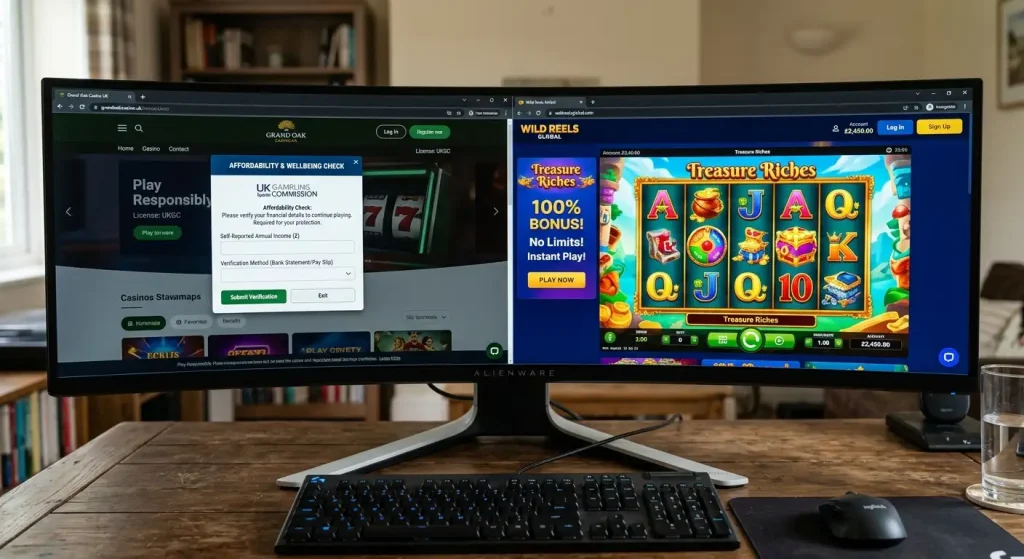
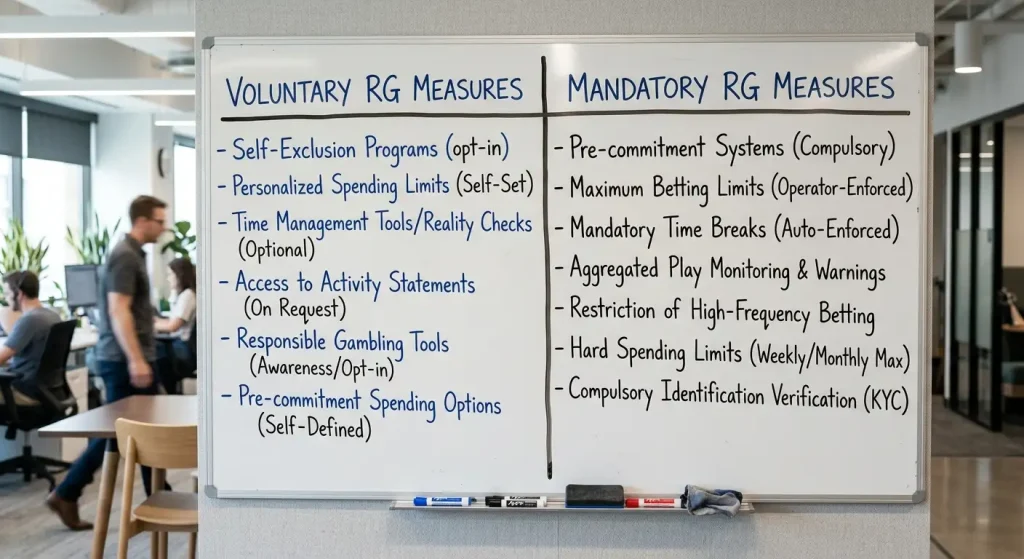
Some offshore operators implement their own voluntary responsible gambling measures, including deposit limits and session timers. Prestige Casino offers certain tools in this category. However, voluntary measures lack the enforcement mechanism that comes with regulatory oversight – an operator can offer deposit limits but is under no legal obligation to ensure they function correctly or to intervene when player behaviour suggests harm. The difference between mandatory and voluntary frameworks is not just theoretical; it determines what happens when something goes wrong. For a deeper look at how UK regulation shapes the offshore landscape, I have covered the full regulatory picture separately.
What This Means for Your Prestige Casino Experience
Practically speaking, playing at Prestige Casino means you will not encounter the specific affordability triggers that UKGC sites enforce. There is no £150 net deposit threshold, no automated financial screening, and no risk of your account being paused while a compliance team reviews your spending patterns. For many players, that translates directly to a smoother, less interrupted experience.
The trade-off is personal responsibility. Without external checks, the burden of monitoring your spending falls entirely on you. That sounds obvious, but the behavioural research is clear: most people overestimate their ability to self-regulate, particularly during winning streaks or when chasing losses. The UKGC framework was designed with that gap in mind – not because regulators assume every player is irresponsible, but because the data shows that even financially stable individuals can drift into problematic patterns without realising it.
If you play at Prestige Casino or any offshore platform, I would strongly suggest implementing your own version of affordability monitoring. Track your net deposits manually on a monthly basis. Set a personal threshold – whether that is £150 or some other figure that reflects your actual financial situation – and treat it as a hard stop, not a guideline. Use the deposit limit tools that the platform offers, even if they are voluntary. And be honest with yourself about whether the absence of regulatory checks is genuinely about convenience or whether it is about avoiding a conversation you would rather not have with your own spending habits.
The players who navigate offshore gambling successfully are the ones who bring their own discipline to the table. The ones who struggle are often those who chose offshore specifically to escape limits – and that distinction matters more than any comparison of bonus terms or game libraries.

Does Prestige Casino run affordability checks on UK players?
No. Prestige Casino operates under a Tobique First Nation licence and is not subject to UKGC affordability check requirements. The £150 net deposit threshold and associated financial risk assessments apply only to operators holding a UK Gambling Commission licence.
What triggers a financial risk assessment at UK-regulated casinos?
A financial risk assessment is triggered when a player"s net deposits reach £150 within a rolling 30-day period at a UKGC-licensed operator. The initial check is automated and typically invisible to the player. Enhanced checks requiring documentation are only escalated in a small percentage of cases where financial vulnerability indicators are detected.
Articles
Created by the "Prestige Casino" editorial team.